-
новость часаВидеофакт. Двое бейсджамперов прыгнули с горы и… заскочили в самолет
- Контактная группа по Украине подтвердила приверженность «школьному перемирию»
- Олег Табаков сегодня экстренно прооперирован в Москве
- Ведущий конструктор авиакорпорации «МиГ» перерезал себе горло во время обеденного перерыва
- Надежда Скардино: было важно сделать «ноль», и я его сделала
- Грандиозные Международные игры боевых искусств пройдут в Минске 1 — 3 декабря
- Девушка подвезла попутчиков — и чуть не лишилась автомобиля
- Надежда Скардино выиграла индивидуальную гонку на этапе Кубка мира в Эстерсунде
- Фотофакт. По водным каналам Лондона и Темзе будет курсировать «плавающая церковь»
- Продавец салона связи в Полоцке воровал мобильные телефоны и деньги предприятия
- Сайдик: стороны конфликта на Донбассе готовы обменяться пленными до конца года
- В Испании сошел с рельсов поезд — свыше двадцати пострадавших
- Украинка везла из Беларуси большую сумму незадекларированной валюты
- Утвержден график переноса рабочих дней в 2018 году
- Студент из Гомеля создал портативное устройство для автоматического вызова экстренных служб
- Джаред Лето встречается с 23-летней русской моделью
- В Германии разыскивают преступников, четыре часа пытавших супружескую пару
- Французский школьник накормил одноклассников и учителя пирогом с марихуаной
- Чтобы успеть сдать президентскую больницу к Новому году, с других объектов перекидывают 8,5 млн долларов
- velcom будет развивать белорусскоязычный контент в рамках цифрового телевидения voka
- Принявший яд на заседании Гаагского трибунала хорватский генерал умер в больнице
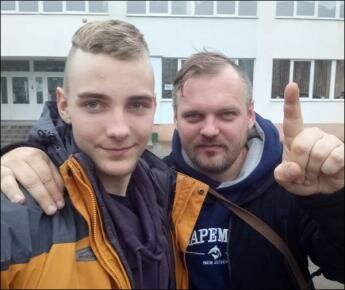
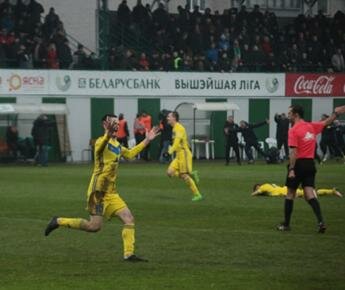
Руководство Спартака встретилось с судьями
Об этом на своем сайте сообщил фонбет бай известный белорусский букмекер.




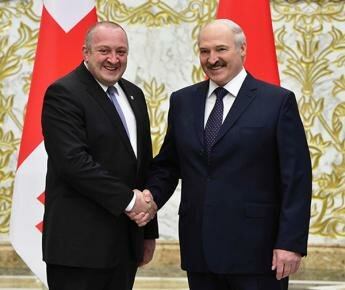

- Контактная группа по Украине подтвердила приверженность «школьному перемирию»
- Лукашенко — Назарбаеву: наконец-то мы начинаем преодолевать спад в наших торгово-экономических отношениях
- Нурсултан Назарбаев прибыл в Беларусь
- Начинается визит главы Казахстана Нурсултана Назарбаева в Беларусь
- Представитель Беларуси Елена Купчина избрана председателем 17-й сессии ЮНИДО
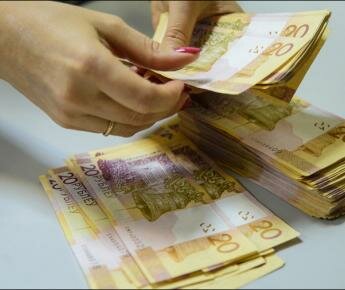

- Лукашенко: в рамках ЕАЭС нужно создавать собственные транснациональные корпорации
- Биржа: курс доллара вновь перешагнул двухрублевый рубеж
- Виктор Прокопеня: декрет о ПВТ поможет Беларуси стать Гонконгом славянского мира
- С начала года количество предпринимателей в Беларуси сократилось почти на 5,8 тысячи
- Отмечен рост цен на квартиры в новостройках Минска

- Утвержден график переноса рабочих дней в 2018 году
- Студент из Гомеля создал портативное устройство для автоматического вызова экстренных служб
- Чтобы успеть сдать президентскую больницу к Новому году, с других объектов перекидывают 8,5 млн долларов
- Замдекана геофака БГУ скоропостижно скончался в возрасте 29 лет
- Белорус приговорен к 17 годам колонии за разбой и избиение до смерти мужчины в России











 20..30
 20..40
 20..40
 -00..10